
 08 April 2026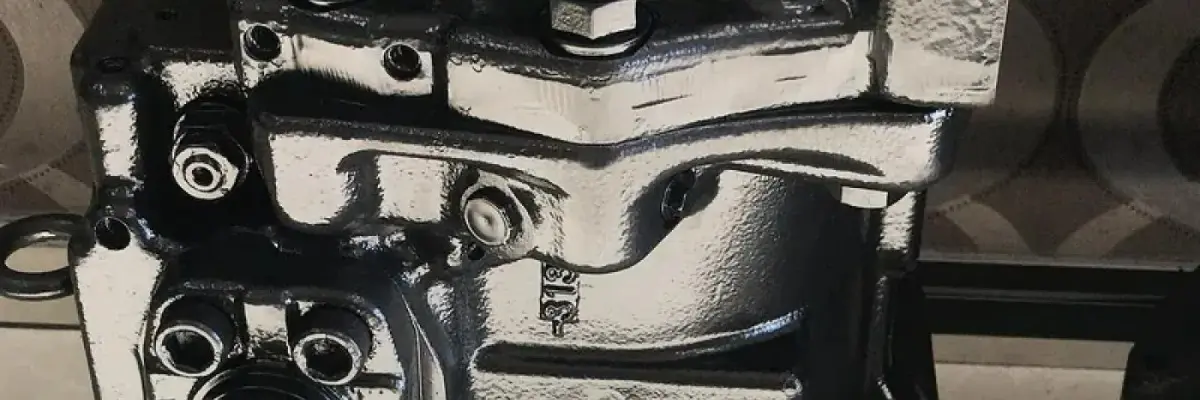
Main-pump failure on a D155AX-6 dozer is one of the hydraulic problems we see most often in the field. Following the right diagnostic sequence is the shortest path to avoiding an unnecessary replacement — and to keeping the machine working.
Where the symptoms start
The most commonly reported first symptom is a noticeable slowdown of blade and ripper motion. That is usually followed by oil temperature climbing earlier than expected and pressure-gauge fluctuation. On their own, these three signals are not enough to blame the pump — the same picture can come from low hydraulic-tank oil level, a clogged cooler, or a leak on the suction line.
Our first three field checks:
- Hydraulic-tank level and oil condition (foam, water, particles)
- Suction hoses for deformation or loose clamps
- The front face of the cooler for cleanliness
If those three are clean, we move on to the pump side.
Tests to run before blaming the pump
Rather than going straight to opening the 708-1H-00251 main pump, we bring the machine up to operating temperature and take two measurements:
- Stand-by pressure: if it drops as the machine warms up, the pilot circuit is tired.
- Full-load pressure: if it sits more than 15% below the nominal value, the pump's rotating group or regulator valve become primary suspects.
A pump opened without these two numbers documented is almost always opened unnecessarily.
New, remanufactured, or used?
The decision rests on three criteria:
- Machine age and hours: for a D155 above 12,000 hours, a remanufactured pump usually hits the right economics.
- Duty cycle: aftermarket is reasonable for a single-shift light-duty customer; three-shift mining duty demands original.
- Lead time: a remanufactured unit that ships from stock is often more valuable than an original you'll wait three weeks for.
The 708-1H-00251 remanufactured pumps in our İvedik OSB warehouse ship with test reports; the equivalent original-new lead time is 5–7 working days.
Summary: Check oil, suction, and cooler first. Then measure stand-by and full-load pressure. Base the decision on three parameters: machine age, duty cycle, lead time.